Games Valley is entering an exciting new chapter in Latin America.
Following the recent approval of our B2B licence in Peru, CEO Ariel Reem sat down with NEXT Latam to discuss our ambitions for the market, the opportunities ahead for operators and how we are evolving beyond traditional game aggregation.
In the interview, Ariel shares his perspective on Peru’s regulated gaming landscape, our growing supplier network, the role of Revenue Intelligence and AI-powered marketing tools, and the three strategic priorities shaping Games Valley’s growth in 2027.
From bringing unique content to new markets to helping operators make smarter commercial decisions, our focus remains on one thing: making operators’ lives easier through better technology, insights and opportunities.
NEXT Latam: You’ve identified Peru as a priority market for some time, and now secured the necessary authorisation. What does success actually look like for Games Valley in Peru over the next 12-24 months?
Ariel Reem: We’ve been watching Peru for some time now, having already been active in other parts of Latin America. The Peruvian regulator has worked tirelessly to build a sustainable, regulated market and it is one we think has huge upside for operators in the medium to long term. We’ll be going live with our first partners shortly, and we expect Peru to become an important market for our business over the next couple of years.
Peru is a market known for strong player value and good engagement. Our aim at Games Valley is to bring six to 10 unique vendors to the market and make their content available to Tier 1 operators, giving them access to something valuable and differentiated.
NEXT Latam: What do you believe is currently missing from the Peruvian market that Games Valley can provide, and why should a Peruvian operator choose to work with you rather than an established aggregation partner?
AR: We’re looking beyond just the content. I think it is fair to say that operators in Peru already offer a wide range of great casino content. With Games Valley, we’re going beyond that and providing the data intelligence tools needed to adapt quickly to a market that is always changing.
Through our Revenue Intelligence solutions, we give operators better visibility into performance and the insights they need to make smarter commercial decisions.
We’re also bringing innovation to the marketing side with GameFrame AI, which allows operators’ marketing teams to create game thumbnails in different formats and styles within minutes, rather than spending days on the process. It’s about saving time, improving efficiency and giving teams more flexibility.
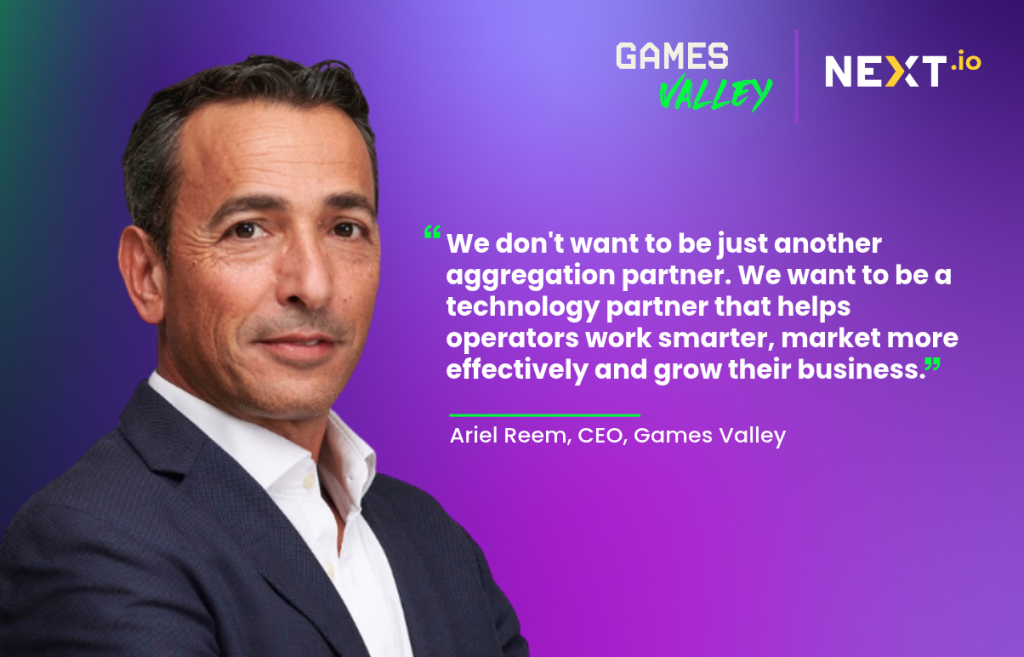
Ultimately, we don’t want to be just another aggregation partner. We want to be a technology partner that helps operators work smarter, market more effectively and grow their business.
NEXT Latam: How much of your offering will be tailored specifically to the Peruvian market?
AR: The nature of our platform means we give our partners both the insight and the tools to tailor their offering completely.
We know that player preferences vary enormously between markets, and even between different groups of players within the same market. Rather than assuming we know what Peruvian players want, we can help operators understand what is actually working and adjust accordingly.
NEXT Latam: How does Peru fit into your wider Latin American strategy? Are you looking to establish a presence in a handful of key jurisdictions, or ultimately build an aggregation network covering most of the region?
AR: Yes, Latin America is an important region for us. We’ve previously been live in Brazil, but of course with the uncertainty in that market we’ll have to wait and see what comes next there.
Our wider ambition is certainly to grow across the region, but we want to do that sustainably.
Each market has its own regulatory framework, commercial challenges and player preferences.
For us, it is about identifying the right opportunities, working with strong local partners and ensuring we can deliver genuine value rather than simply adding another country to our list.
NEXT Latam: You’ve announced several content distribution agreements this year, including partnerships with Spribe, BGaming, Wazdan and Wicked Games. How is that supplier network translating into operator adoption, and can you share any figures on the growth of your operator base or transaction volumes?
AR: The response has been really very encouraging. We’ve invested heavily in building relationships with suppliers that offer different types of content, giving operators a much broader choice through a single integration.
The games studio landscape is extremely exciting right now. We have established studios raising the bar, challenger studios trying some completely different things.
We completed over 80 game integrations last year, and our target is to deliver another 100 integrations next year.
We now have more than 250 providers and over 20,000 games available through our platform. That is a strong proposition, but ultimately operators want to know how that content can perform for their business.
NEXT Latam: You’ve positioned Games Valley as something more than a conventional aggregator, describing your ambition to become a revenue intelligence layer for the industry. What does that mean in practical terms for an operator, and how are your AI-powered analytics and operational tools helping clients improve performance in ways that traditional aggregation platforms cannot?
AR: I’d say the easiest way to think about it is in terms of turning data into action. Look, we all have huge amounts of data available to us, but the real challenge is making sense of it, identifying what actually matters and turning that into actionable insights that can improve player experience.
We’ve built our entire platform around this principle. Yes, we provide our partners with a lot of high quality content. But we also give them the tools to know how, when and where to use it.
NEXT Latam: Finally, what does the company’s next phase of growth look like? Are you prioritising organic expansion, investment in technology and personnel, or could strategic partnerships and acquisitions also play a role?
AR: Our strategy for 2027 is built around three key priorities:
- Integrating more vendors, so we continue expanding our supplier network and bring unique content to our operators.
- Expand into new regulated markets so as to create new opportunities for our partners.
- And build more tools, introducing additional technology that help operators make better decisions, improve performance and ultimately make their lives easier.
That’s really what we’re building towards. Going beyond aggregation and giving operators more value, more opportunities and better tools to grow their businesses.